UK Shop Price Inflation Accelerates as Retailers’ Discounting Gives Way
Shop prices rose 2.1% in the year to October as non-food inflation picked up and retailers warned that absorbed costs are reaching consumers.
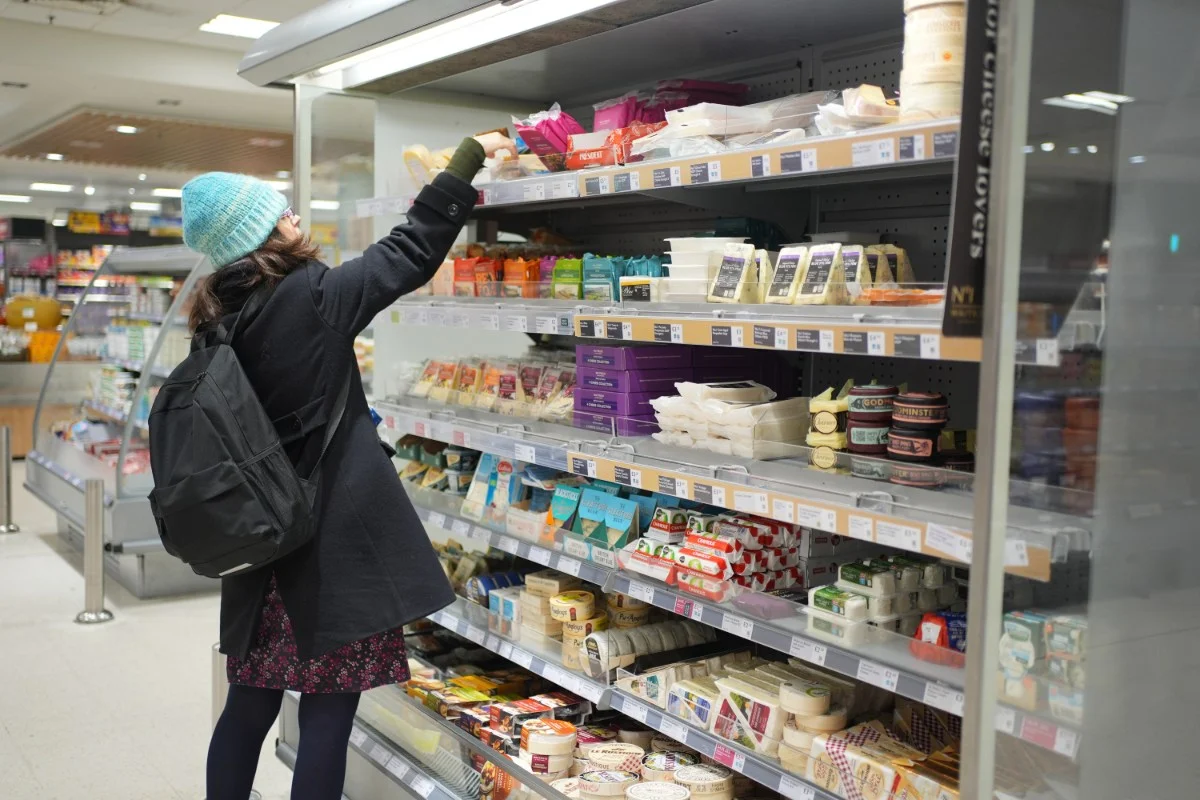
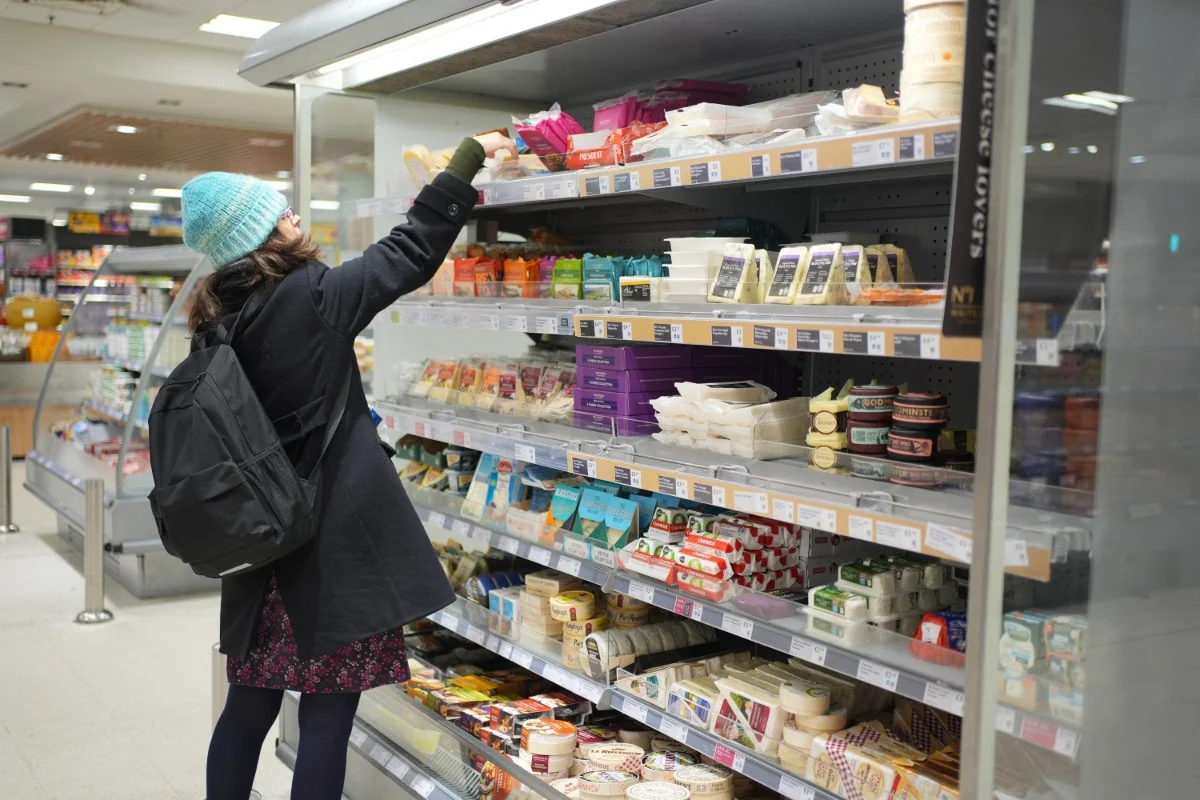
Retailers’ ability to hold down prices through discounts is showing strain. Shop prices rose by 2.1 per cent in the year to October, up from 1.4 per cent in September and above the three-month average of 1.6 per cent, according to new British Retail Consortium data. The increase puts renewed focus on how much of the higher cost of energy, transport and supplies retailers can absorb before passing more of it on to customers.
The pressure is clearest in non-food goods, where annual price inflation climbed from 0.8 per cent in September to 1.7 per cent in October. Food prices rose by 2.9 per cent over the year, compared with 2.5 per cent the previous month. Fresh food inflation held at 2.6 per cent.
Those figures describe different parts of the same price picture. Fresh food’s unchanged rate suggests that this category did not drive the monthly rise in the broader food measure. Meanwhile, the sharper move in non-food prices points to a wider increase across goods with longer shelf lives. The data does not identify which products changed most, but it shows the acceleration reaching beyond fresh food.
Discounting has delayed some increases
Retailers have used promotions to cushion shoppers from higher costs, according to Mike Watkins, head of retailer insight at data firm NIQ. That approach can slow the pace at which cost increases appear in shop prices, but it also leaves retailers less room to protect both sales and margins if expenses continue to rise. The October figures suggest that at least some of the pressure is now appearing in the prices paid by customers.
Watkins said high street retailers would rely more heavily on promotions to support discretionary non-food spending as consumers became more cautious in response to higher energy and fuel costs. That creates a tension for retailers: offers may help sustain demand, while broad or repeated discounting can limit the revenue recovered from price increases.
Helen Dickinson, the BRC’s chief executive, said: “The dam is starting to break on the huge wave of costs retailers have absorbed over the last two years.” She urged Chancellor John Healey to act, warning: “Without a change of course, October’s jump in inflation is only the beginning.”
The BRC is calling for changes to business rates, employment costs and packaging taxes. Those proposals reflect retailers’ argument that costs beyond the price of goods themselves are adding to the burden. The figures published for October show the movement in shop prices; they do not quantify how much of that rise came from each cost category, or establish how much further increases retailers may pass through.
Food price forecasts have shifted
Concerns about energy and supply costs had already put food prices under scrutiny. Food industry experts warned that disruption linked to the Iran war, including the effective closure of the Strait of Hormuz, could push UK food prices higher. The source compares the feared impact with the price increases that followed Russia’s invasion of Ukraine, but October’s figures alone do not show the scale or timing of any future effects from supply disruption.
The Food and Drink Federation initially forecast that food inflation could reach as much as 10 per cent by the end of the year. It later revised that outlook, projecting a peak of 6.4 per cent by next summer. Food inflation has remained steady at 1.3 per cent in recent months, and senior figures at Sainsbury’s and Tesco have questioned whether higher costs would ultimately be passed through.
The differing measures and forecasts need to be kept separate. The reported October rise of 2.9 per cent covers overall food prices over the year, while the 1.3 per cent figure describes food inflation in recent months. The Federation’s 6.4 per cent projection is a forecast for a future peak, not a recorded October reading. Each measure captures a different period or outlook, so none by itself settles how prices will move from here.
What the October figures signal
For shoppers, the immediate change is that annual shop price inflation accelerated, with food and non-food prices both higher than in September. For retailers, the figures raise the question of how long promotions can offset input costs while consumers are already facing higher energy and fuel bills. A more cautious customer may respond to price rises by delaying discretionary purchases, increasing the importance of the promotions Watkins described.
The October data is one month’s reading and cannot show whether the faster pace will persist. The next evidence to watch is whether non-food inflation continues to rise, whether food inflation moves closer to the Federation’s forecast, and whether retailers maintain discounts or adjust shelf prices instead. For now, the central pressure is clear: retailers have absorbed some costs, but the latest increase suggests that this buffer is becoming harder to sustain.