London Banks Face Higher Tax Bur as Khan Urges Continued Investment
A possible surcharge increase could lift banks’ tax rate to 33%, while Khan argues London can contribute more if its wider business base thrives.
London’s financial sector is being asked to keep investing as banks face a possible increase in their tax bill. Mayor Sadiq Khan says the sector matters to the capital’s jobs and wider economy, but he stopped short of opposing the proposed change, saying “those with broader shoulders carry the greatest burden”.
The immediate question is the banking surcharge, which is charged on top of corporation tax. It currently stands at three per cent, bringing banks’ total corporation tax rate to 28 per cent. Raising the surcharge to eight per cent is expected to generate about £2bn. Chancellor John Healey is expected to set out the measure on Wednesday.
That five percentage point increase would take the combined rate to 33 per cent if the other component stays unchanged. For banks weighing where to put capital, the final rate is only one part of the calculation: the size and timing of the change, the tax treatment of future projects and the commercial case for operating in London all matter. The source provides no detail on those terms, so the scale of any effect on investment remains uncertain.
Investment and the City’s position
Khan’s message to banks is that they should continue to back London, even as the tax debate sharpens. He said the financial sector and the City of London area are “really important” to the capital, and pointed to the hundreds of thousands of jobs connected to financial services and banking.
“I want them not just to stay here, but I want banks to come here as well,” he said. Khan cited Goldman Sachs’ move to London and JPMorgan Chase’s planned tower in Canary Wharf as examples of the investment he wants the city to attract.
The tower is also a reminder that large projects can involve more than the bank’s own construction spending. Khan’s office is among the signatories to a memorandum of understanding that could allow JPMorgan to receive a broad business rates discount for the building. The project is expected to put £10bn into the local economy. The source does not specify how that estimate is distributed across businesses, workers or public revenues, or how it relates to the proposed bank surcharge.
JPMorgan chief executive Jamie Dimon has previously warned that higher taxes could make him “reconsider” the Canary Wharf project. That warning gives the debate a concrete business consequence, while leaving open whether a higher bill would change the bank’s plans. The surcharge proposal and the tower’s rates arrangement are separate elements of the business environment described here; the source gives no indication that one would determine the other.
For London, the stakes extend beyond a single bank or building. A higher tax take could raise revenue, while decisions to delay or reduce investment could affect construction activity, suppliers and the jobs tied to financial firms. The available figures show the potential surcharge revenue and the projected local economic contribution of the tower, but they don’t establish a direct trade-off between those amounts.
London’s contribution and the wider business base
Khan also argued that London should not be treated as competing with other parts of the UK for attention. He said the capital contributes a net £40bn to £50bn each year and could contribute more with appropriate support. His case is that London’s performance depends on a healthy wider economy, rather than on the capital prospering alone.
That argument comes as the coming Budget is expected to set out measures intended to support growth in regional economies. Some have raised concerns that this focus could leave London’s economic role in the background. Khan’s response is that growth across the country and London’s contribution can reinforce one another.
The tax debate also touches businesses well beyond banks. High street retailers say business rates place them at a disadvantage compared with online sellers such as Amazon, Shein and Temu. Shops carry costs including rent, rates and staff who serve customers; warehouse based retailers face a different cost structure. Khan said online retailers should pay more, arguing that the current system does not create a level playing field.
Andy Burnham had proposed raising taxes on out of town warehouses to fund tax cuts for high street shops. Healey has since ruled out a warehouse tax after industry leaders warned that it could raise retailers’ costs and feed through to shoppers’ prices. That leaves the broader question of how business rates should account for the different costs of physical shops and online fulfilment unresolved in the source.
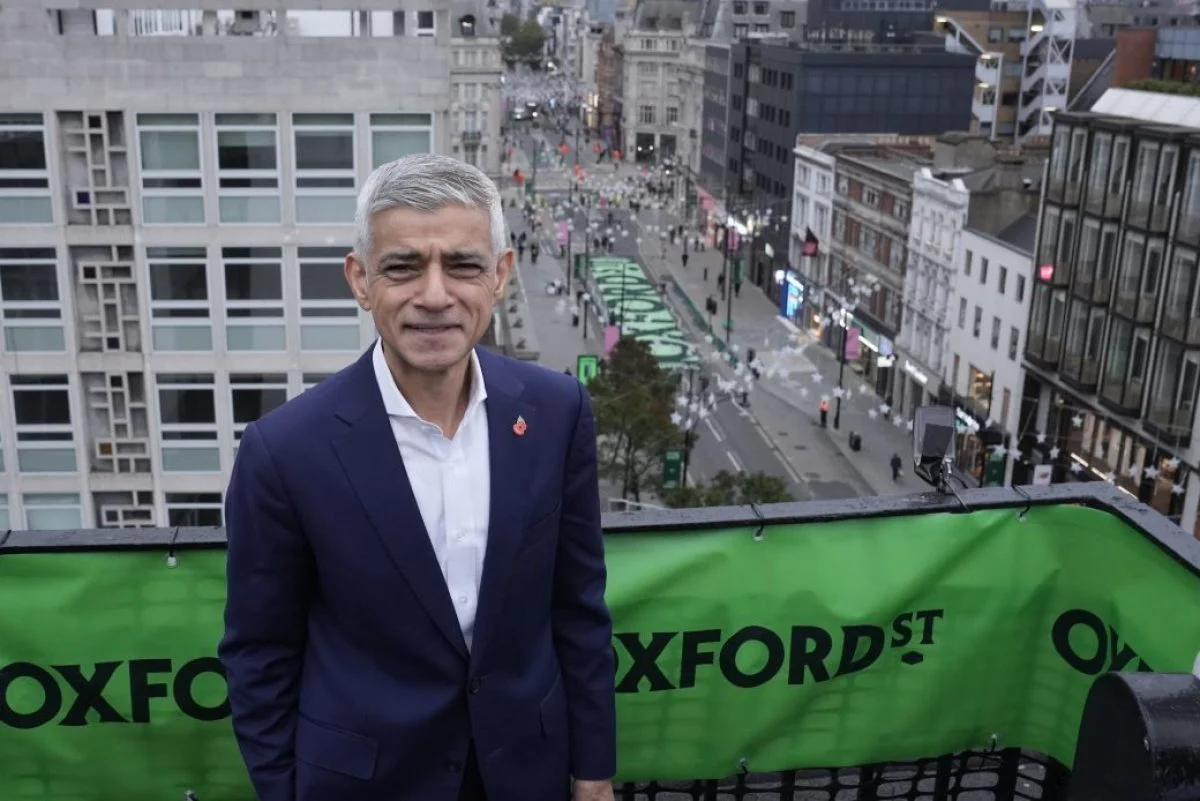
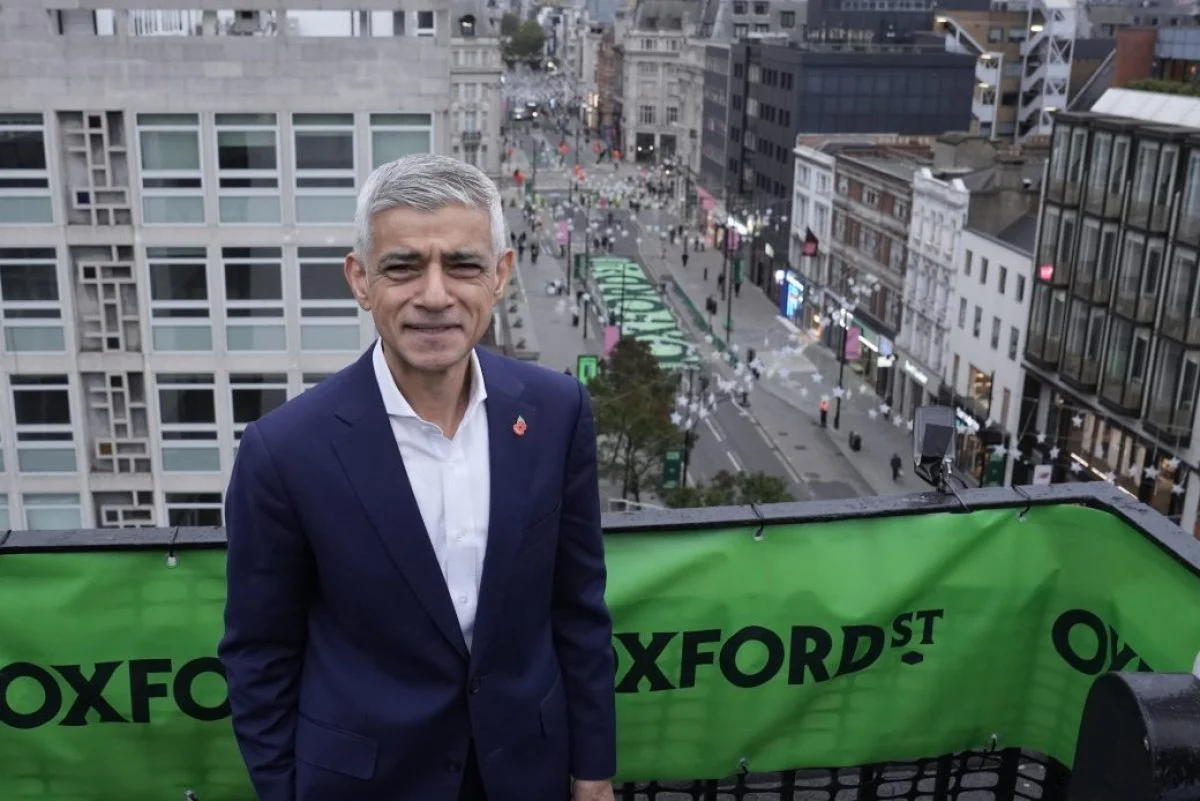
Oxford Street’s first traffic closure on a Sunday night formed another part of Khan’s effort to renew the high street. He said the longer term plan could support major stores such as John Lewis and remove what he called “dross” American candy shops. The effects on footfall, retailers and nearby businesses are not quantified in the source.
The next key detail for banks will be the final surcharge rate and how the measure is structured. For London businesses more broadly, the unresolved test is whether tax arrangements can raise revenue while sustaining investment, jobs and a retail mix that reaches beyond the largest financial firms.