Poundland Sale Stalls as £30m Loan Dispute Puts 600 Stores at Risk
A dispute over repayment of Poundland’s £30m loan has stalled the preferred takeover bid as rival retailers consider parts of its 600-store estate.
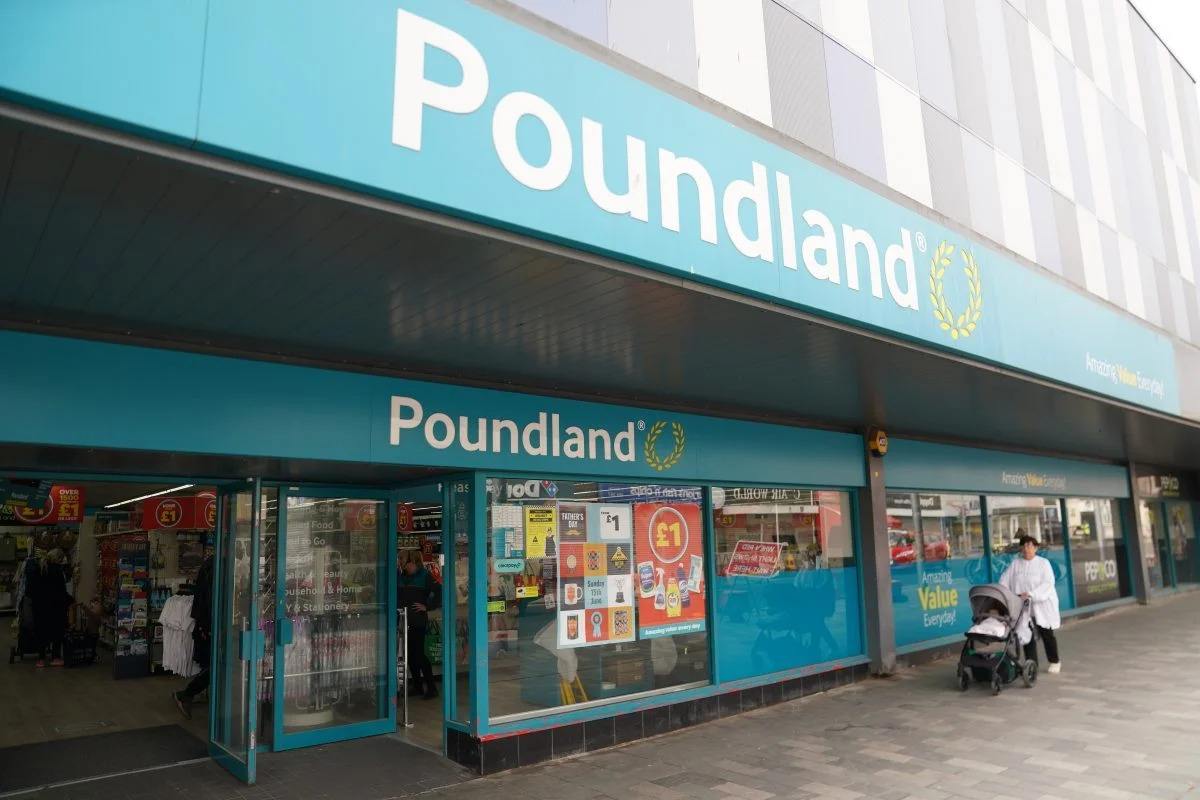
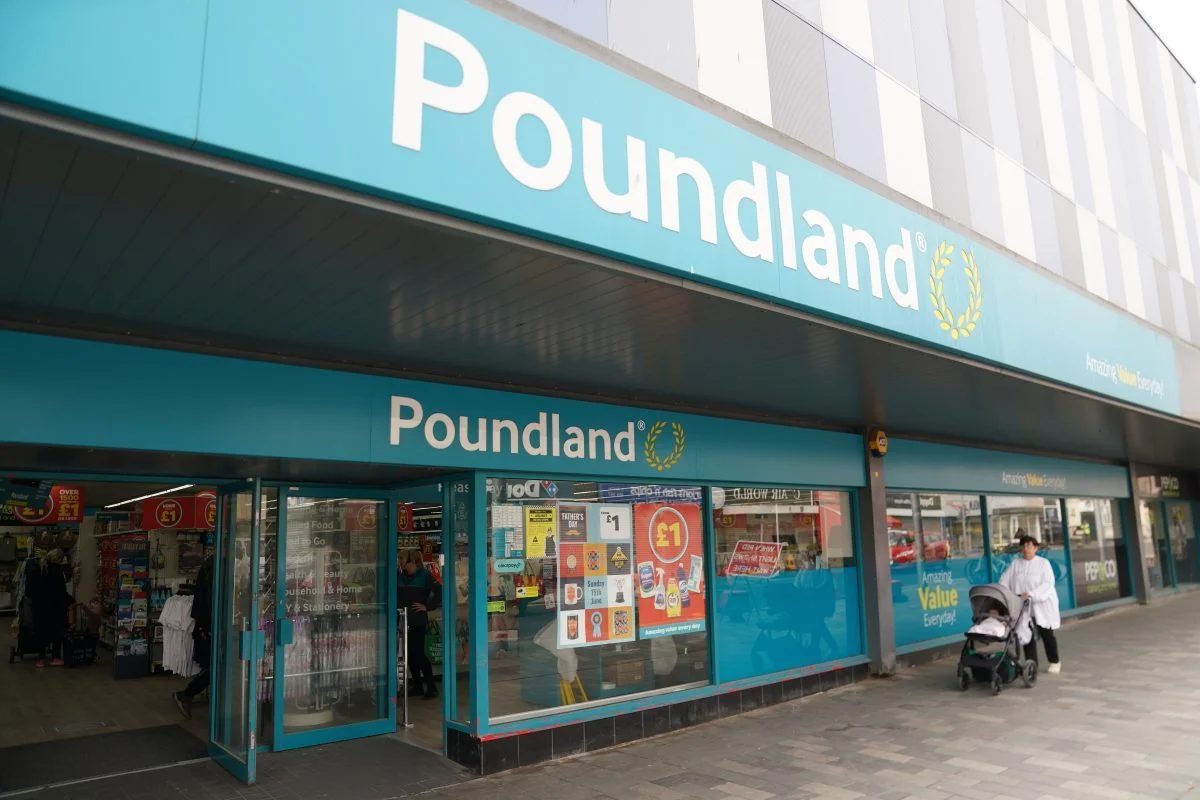
The fate of Poundland may turn on a single sticking point: who pays a £30m loan, and when. Martin Property Group (MPG), the leading bidder for the discount retailer, has not agreed to repay the loan in full up front. Its owners, US investment firm Gordon Brothers, have made that payment a condition of any deal, leaving negotiations stalled and the retailer’s future uncertain.
The stand-off matters because Poundland’s sale process now has two possible paths. MPG has offered to buy the whole business, while other retailers are interested in taking over significant portions of its 600 stores. If no whole-company deal is agreed, the outcome could depend on whether those partial bids can keep viable shops open and retain their staff.
A bid at odds with the owners’ terms
MPG submitted a formal bid to buy Poundland from Gordon Brothers after becoming the frontrunner for the business. Poundland’s board had publicly backed MPG’s proposal. But the owners have not accepted it, and three directors brought in to speed up the sale process are said to be considering leaving: Andrew Kirkpatrick, Stephen Welch and Dominic Young.
The directors’ possible departures add pressure to a process that was meant to move faster. Their frustration is reportedly tied to Gordon Brothers’ refusal to accept MPG’s offer. The disagreement centres on the loan, which matures in 2030. Gordon Brothers inherited it after buying Poundland from European retail group PepCo for £1.
MPG recently bought National Car Parks (NCP) out of administration, but its approach to Poundland’s debt differs from the payment terms Gordon Brothers is seeking. MPG has declined to offer full payment of the loan up front, according to City AM. That gap leaves the parties facing a basic question: can the value or structure of a whole-company deal be reconciled with the owners’ demand for immediate repayment?
MPG did not respond to a request for comment. Gordon Brothers said MPG had been identified as the preferred bidder by Poundland’s management team, but that attention must now turn to other active bids. The owners said formal and indicative offers had emerged for viable parts of the business and would be evaluated with the aim of reducing uncertainty for employees and other stakeholders.
Store-by-store interest and jobs
The interest in Poundland extends well beyond MPG. Lidl, Iceland, The Range, B&M and Poundstretcher are among the retailers hoping to acquire stores if the chain is broken up. Their interest signals that individual locations may have value to other operators even if a buyer cannot reach terms for the entire company.
Those bids could also shape what happens to Poundland’s workforce. Retailers bidding for stores have committed to taking on the employees at the locations they acquire under Transfer of Undertakings (TUPE) rules, which protect staff when a business changes hands. That commitment applies to stores bought by those bidders; the source does not set out what would happen to employees at locations that are not transferred.
Usdaw, the retail union, has warned that Poundland is close to collapse and criticised Gordon Brothers’ handling of the situation. The union’s concern reflects the stakes for workers as the sale proceeds: a whole-business purchase could offer continuity across the chain, while a break-up would make outcomes depend on which stores attract buyers and complete transfers.
The contrast between a whole-company bid and interest in individual stores is central to the next stage. A single buyer could preserve Poundland as one retailer, subject to reaching agreement with its owners. A collection of store purchases could keep some sites operating under different retailers, but would leave the future of the rest unresolved. No outcome has been confirmed.
What could change the picture
For now, the £30m loan is the clearest obstacle to a deal with MPG. A change in the proposed timing or treatment of that repayment could reopen negotiations, while continued disagreement may push Gordon Brothers to focus on the other bids already on the table. The loan’s 2030 maturity gives it a longer repayment horizon, but the owners’ insistence on upfront payment makes it an immediate issue in the sale.
The number of interested retailers offers potential routes for individual stores, but it does not settle whether those offers can be combined into a workable plan for the wider estate. The next meaningful signs will be whether MPG changes its position, whether Gordon Brothers advances the competing bids, and whether the three directors remain involved. Until those questions are answered, Poundland’s 600-store footprint and the jobs tied to it remain exposed to the outcome of the sale.