Ripple Builds RLUSD’s Reach Across Trading, Custody and Banking Services
Coinbase, Robinhood and BNY broaden RLUSD’s access and potential uses, while customer activity remains the key test of Ripple’s expanding network.
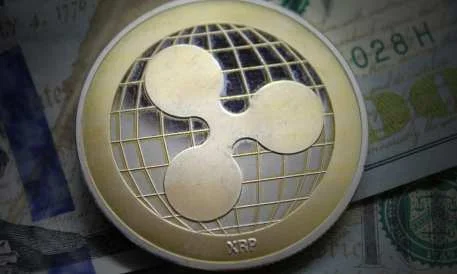
Ripple is building a wider set of routes for RLUSD, its dollar stablecoin, through trading platforms, custody services and financial operations. Deals involving Coinbase, Robinhood and BNY put the token in front of more customers and give institutions additional ways to hold, move and use it. The open question is whether that access will translate into routine payments and settlement.
The expansion combines distribution with services around the stablecoin. That matters for financial firms weighing whether to use a digital dollar: they need ways to obtain it, safeguard it, transfer it and convert it back into dollars. A broader network can lower some operational barriers, although it doesn’t establish that customers will adopt the product at scale.

A charter adds oversight around RLUSD
Ripple said Monday, Oct. 26, that it had received final approval to establish Ripple National Trust Bank.

Issuance remains with Standard Custody & Trust Company, Ripple’s New York regulated trust company. The new bank’s role adds federal oversight to reserve management and related services; it does not make the bank the issuer of RLUSD. That distinction matters because the token’s issuance and its supporting custody and reserve operations sit in separate entities.
“For years, we’ve said crypto and banks work better together,” Ripple CEO Brad Garlinghouse said in the company’s account of the approval. The week’s agreements offer a practical test of that view: they connect RLUSD to platforms and institutional services already used by customers and businesses.
Robinhood links distribution with operations
On Tuesday, Oct. 27, Ripple and Robinhood outlined an agreement spanning customer access and Robinhood’s own financial activity. RLUSD was already available on Robinhood Chain and Bitstamp by Robinhood, with availability in the Robinhood app expected later this year.

Robinhood also plans to use RLUSD for institutional settlement and bring Ripple Treasury into its global cash management operations. Those plans could give the stablecoin a role beyond customer trading, connecting it to the movement and management of company funds.

The agreement also covers financing through Ripple Prime, which provides Bitstamp with lending and margin financing across roughly 20 digital assets. Taken together, the arrangements give Ripple several possible points of contact with Robinhood’s business, from cash management to institutional transactions. The source describes planned uses and existing services, but doesn’t quantify expected transaction volumes or the financial contribution of the relationship.
Coinbase and BNY widen access
Coinbase added another route on Wednesday, Oct. 28. Retail and institutional customers can trade and manage RLUSD through Coinbase’s app, Exchange and Prime services. The platform supports one-to-one conversion from dollars and other supported dollar stablecoins, with deposits and withdrawals available across three blockchain networks.
For a prospective institutional user, those features address practical questions: where the token can be accessed, which networks support transfers and how conversion works. Access through an established provider may simplify evaluation, but availability alone doesn’t show how frequently customers will trade or use RLUSD for payments.
BNY’s expanded relationship focuses on custody and potential business use. The bank now supports RLUSD and XRP on its digital asset custody platform, enabling eligible institutional clients to hold and transfer them. BNY and Ripple also plan to support direct RLUSD creation and redemption through BNY and to explore tokenized trade finance, including digital representations of receivables.
Custody can help institutions hold and transfer digital assets within a service they already use. Direct creation and redemption could connect those holdings more closely to dollar flows. The trade finance work remains exploratory, so its practical reach will depend on whether the parties develop services customers actually use.
Broader activity points to the adoption test
Other developments this week show companies testing different paths to stablecoin use. HSBC began rolling out its RedCoin stablecoin in Hong Kong on Oct. 23 to more than 3.3 million PayMe users. The service supports transfers between friends and payments at more than 100,000 merchants, pairing a digital token with an existing consumer app and merchant network.
Circle and ACI said a Colombia based pilot demonstrated USDC settlement alongside established payment operations. The effort could give banks a way to assess stablecoin settlement within familiar technology and processes. In Canada, proposed stablecoin rules published Oct. 24 opened a consultation through Dec. 23 and address registration, reserves and redemption, offering payment providers more detail on possible requirements in that market.
Across these efforts, access is only one part of the case for stablecoins. The lasting measure will be recurring use: whether customers transfer tokens, institutions settle transactions, and businesses incorporate them into cash management or financing. Ripple’s new connections broaden the places RLUSD can fit. Actual activity will show how much of that potential becomes operating business.