Green Manganese Reports Metal Recovery and PAH Reduction in Smelter Sludge Trial
A sludge processing trial recovered manganese and zinc while reducing PAHs in treated solids by more than 99.97%, according to independent analysis.
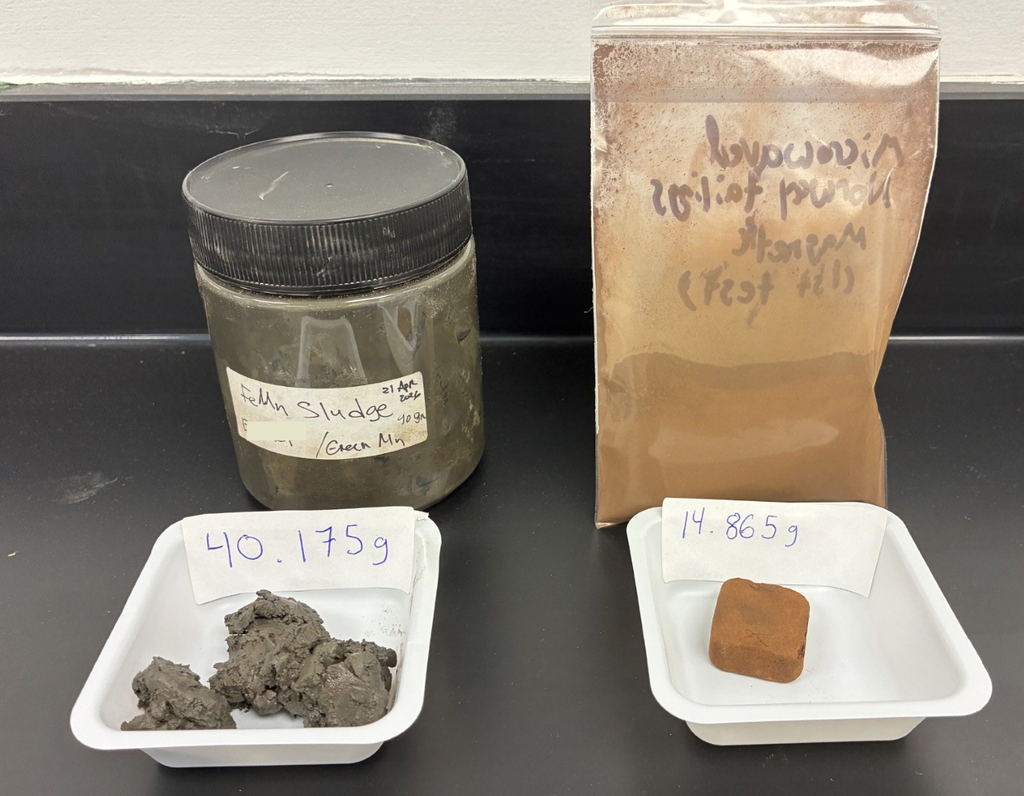
Green Manganese Technologies says its processing trial on sludge from a European ferromanganese smelter achieved two outcomes from one industrial residue: recovering manganese and zinc while sharply reducing a group of toxic organic compounds in the remaining solids. Independent analysis by ALS Canada Ltd. found that polycyclic aromatic hydrocarbons (PAHs) in the treated material fell by more than 99.97%.
The company has not disclosed exact metal recovery rates, the quantities processed, or the economics of the trial. Those details will matter in assessing whether the results can translate from an initial processing campaign to routine treatment at a smelter. For now, the reported findings point to a potential way to address both the metal value in gas-cleaning sludge and the growing burden of managing that residue.
One feedstock, several treatment goals
The untreated sludge contained approximately 30% manganese and 6% zinc, according to Green Manganese. The company says its process recovered manganese at a high yield while also extracting zinc, but has not provided a percentage for either metal. Without those figures, readers cannot compare recovery performance across metals or estimate how much saleable material might result from a given volume of sludge.
That distinction matters because processing a residue can serve different purposes. A plant may reduce the quantity or hazardous characteristics of waste without recovering enough metal to support the cost of treatment. A process that also extracts metals could improve the material balance, but its commercial case would still depend on factors such as recovery rates, operating costs, the composition of the sludge and how the recovered products can be used.
Green Manganese describes its technology as a closed-loop, water-based hydrometallurgical process. Hydrometallurgical methods use liquid solutions to separate metals from solid feedstocks. The company says its process is designed for low-grade ores and legacy or industrial tailings that conventional smelting may not treat economically. This latest trial applies that approach to wet gas-cleaning sludge generated by a smelter.
The company also reports that cadmium and lead moved from the solid sludge into the process solution for controlled management. Sodium and potassium were separated from the solids as well. These results describe where some constituents ended up during treatment; they do not, by themselves, establish how the resulting solutions would be managed at commercial scale or what that would cost.
Why smelter sludge poses a recurring burden
Manganese alloy production can generate substantial volumes of metal-bearing sludge. Published research on Eramet’s Kvinesdal plant in Norway reported annual sludge generation of approximately 10,000 metric tonnes. That figure provides an example of the potential scale of the issue at a producing site, but it is specific to that plant and should not be treated as a sector-wide estimate.
Sludge can accumulate in settling ponds as new material is produced. More material means less available pond capacity and continuing costs for handling, disposal and monitoring. The residues may also contain toxic organic compounds and heavy metals. Runoff or seepage can pose risks to nearby soil and water, leaving operators responsible for managing both newly generated material and older deposits.
Against that backdrop, treating sludge at the point where it is generated could address more than one operating concern. Metal recovery could make part of the residue useful, while reducing harmful compounds and stabilizing the remaining solids could change the handling challenge. Whether that combination reduces costs or environmental exposure at a particular facility will depend on the feedstock, process performance and the arrangements for managing every output stream.
What the results establish—and what remains open
ALS Canada’s analysis confirmed the reported reduction of more than 99.97% in PAHs in the treated solids. The company also said testing recorded decreases in total organic carbon and a PAH-related toxicity indicator. The initially alkaline sludge was converted into stable, near-neutral solids, which Green Manganese says could support potential engineered backfill applications.
The reported changes suggest the process affected both the metal-bearing content and several properties of the residual solids. But potential use as backfill is not the same as confirmed commercial use. The results provided do not specify the material’s strength, long-term performance, acceptance criteria or the conditions under which it could be placed. Those details would shape whether the treated residue can become a useful product or still requires disposal.
Green Manganese CEO Alexey Demykin said the company aims to treat ongoing gas-cleaning streams and historical sludge ponds at the source while recovering their contained metals. The company previously reported initial metallurgical testing on polymetallic nodules, describing a single integrated process for recovering multiple metals. The sludge trial extends its stated focus to a different feedstock, though the source provides no basis for comparing performance between the two materials.
The next meaningful evidence will be quantified recovery rates, processing scale and a clearer account of the treated solids and process solutions. Those measures will show whether the reported reductions and metal extraction can be repeated across changing sludge compositions, and whether treatment can fit into a smelter’s operating and waste-management systems. For now, the trial identifies a possible dual-purpose route for a residue that can carry both recoverable metals and long-term handling costs.