El Niño Puts Copper and Nickel Operations at Weather Risk Through Early 2027
Drought and flooding could disrupt mining, power and transport, though nickel inventories and modest market surpluses may limit price effects.
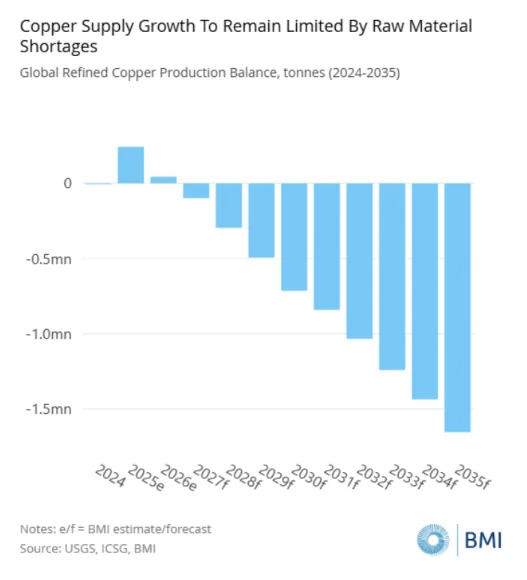
El Niño could add weather-driven disruption to copper and nickel supply through early 2027, with the consequences varying sharply by region. Flooding threatens mines and transport routes in parts of South America, while drought could constrain water supplies and hydropower in Southeast Asia and parts of Africa. The risk reaches beyond extraction: smelters, ports and electricity systems may also face pressure.
BMI, a unit of Fitch Solutions, expects the event to add to supply volatility. Its assessment is that structural pressures—including operating constraints and declining ore grades—currently outweigh the weather threat. That distinction matters: El Niño may compound existing supply problems without becoming the main driver of market conditions.
The October 2026 outlook pointed to strong-to-very strong conditions persisting through January-March 2027. It put the probability at 83% that the October-December 2026 event would be more intense than previous episodes recorded since 1950. El Niño occurs every two to seven years on average and typically lasts nine to 12 months, though some events continue longer.
Copper faces exposure across several regions
South America is a key source of copper, and heavy rainfall in Chile and Peru could affect both mine output and the movement of metal. Flooding can interrupt site access, damage transport infrastructure or delay shipments, so the effect may extend beyond any temporary halt in extraction.
There is precedent for weather-related stoppages in Chile. During a 2017 El Niño event, operations at Anglo American’s (LON: AAL) Los Bronces mine and Codelco’s El Teniente halted. That episode shows how quickly severe conditions can reach large operations. It does not establish that the same mines will face the same interruption in the current event; the scale and location of rainfall will determine the exposure.
In Zambia and the Democratic Republic of Congo, the principal concern runs in the opposite direction. Drier weather could reduce hydropower generation, tightening electricity supply for energy-intensive copper smelters. If power becomes scarce or more expensive, processing costs could rise and output could be constrained even where mines remain operational.
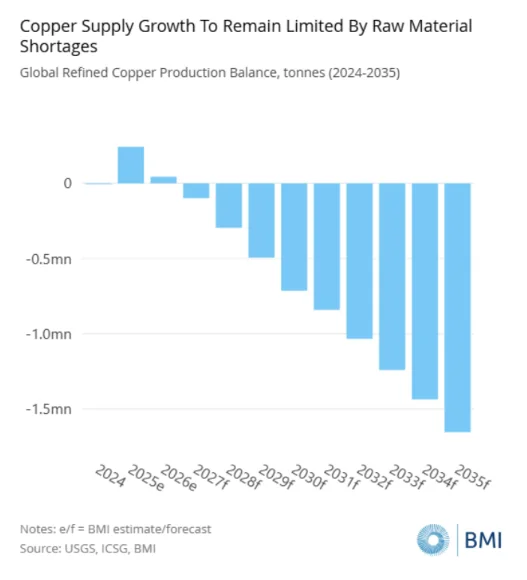
These different regional pathways make the effect on copper difficult to reduce to a single production estimate. Flooding may interrupt mines or transport in one area, while drought limits energy supply elsewhere. The impact on available metal will depend on how long interruptions last, whether they affect processing as well as mining, and how much output other producers can provide.
Nickel water shortages meet a large inventory buffer
Indonesia’s nickel industry is exposed to drought-related water constraints. BMI expects the near-term effect to ease as the wet season returns, but a seasonal improvement may not immediately reverse production cuts already made or remove pressure on water-dependent facilities.
In September, Indonesia Morowali Industrial Park confirmed that several nickel smelters had reduced output amid water shortages. Earlier news reports indicated that about 100,000 tonnes of NPI production could be affected. The estimate points to a potentially material interruption, but it does not establish how much production was ultimately lost or how long the cuts will last.
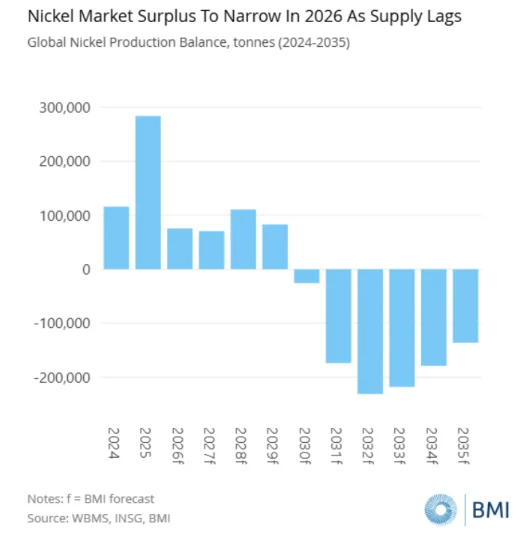
That uncertainty sits alongside a sizeable inventory overhang in nickel. BMI expects weather disruptions this year and into early 2027 to offer more support to copper than to nickel. For nickel, inventories may limit price effects unless operational interruptions persist. Both markets, BMI said, are likely to remain in a modest surplus in 2026.
Power and water effects can outlast the weather
The consequences depend on how each country generates electricity and manages water. BMI’s ESG Country Risk team identifies greater drought exposure as the main expected effect of the 2026-2027 event. Places that rely heavily on hydropower face a direct link between rainfall, electricity availability and industrial output.
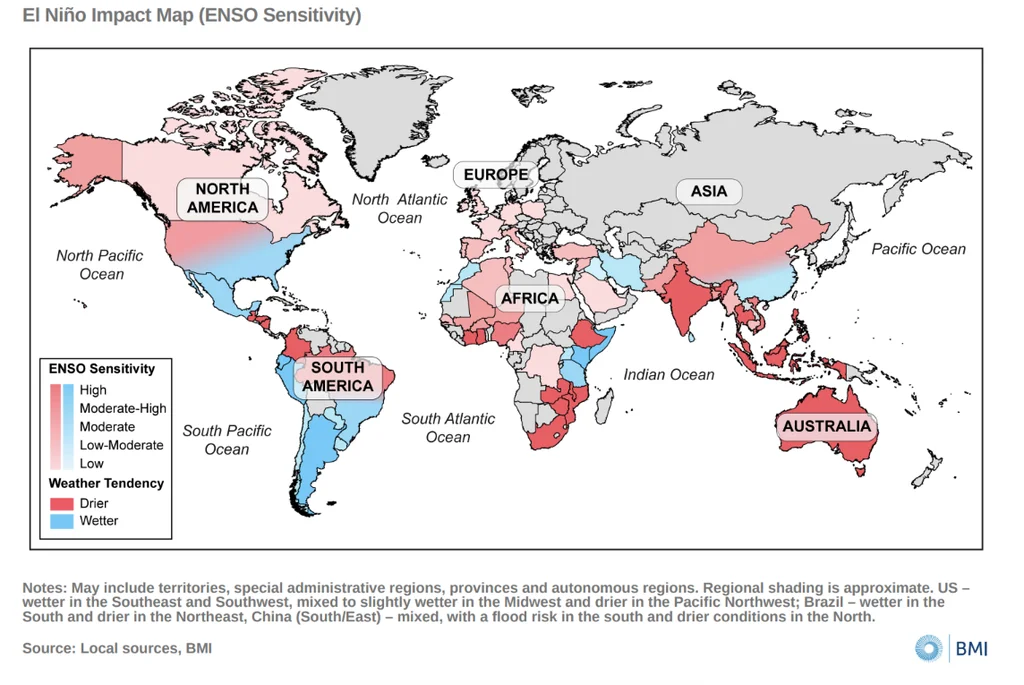
In regions dependent on monsoon rainfall, a shift in the amount or timing of precipitation could affect how much water is stored before the dry season. Lower reserves can restrict later hydropower generation. As a result, energy availability may tighten after the most visible weather disruption has passed, extending pressure on mining and processing schedules.
China’s aluminum producers could also face output constraints in areas that depend on hydropower. In Latin America, heavy rainfall could delay lithium operations and project ramp-ups. Those examples underline that the same climate pattern can create different industrial risks: drought can constrain energy or water, while excessive rain can impede access and delay work.
Countries where hydropower generates less than 20% of electricity, including Mexico and South Africa, have a different exposure. BMI expects peak-power constraints to be more likely there than widespread outages. For producers, the distinction still matters: limited power at times of high demand can disrupt operations even if the overall electricity system remains available.
For market watchers, the key signals are the duration of smelter cuts, the reliability of hydropower through the dry season, and whether flooding interrupts mine-to-port movement. The weather pattern adds uncertainty to supply, but the market effect will depend on how these operational pressures interact with existing constraints and inventories.