AI Infrastructure’s $6.3 Trillion Funding Gap Puts Financial Engineering in Focus
AI infrastructure spending could reach $8 trillion by 2030, pushing funders to build structures that spread costs and risk beyond public bond markets.
AI infrastructure plans are testing the limits of conventional corporate financing. Estimates for capital spending through 2030 range from $7.6 trillion to $8.0 trillion, while traditional U.S. public investment-grade investors may provide $1.7 trillion. That leaves $6.3 trillion to come from other sources and structures, according to analysts at KKR.
The financing challenge matters because the form of the funding can shape where risk sits. Private investment-grade debt, asset-backed finance, infrastructure debt and structured solutions are among the options KKR identifies. The analysts also anticipate structures that have yet to be created. That points to a financing market adapting around the scale and long timelines of data center construction, rather than relying on one familiar pool of capital.
AI investment has a historical parallel in the railroad buildout of the late 19th century. Spending on AI infrastructure could reach 3.63% of GDP through 2032, according to a Brookings estimate. Between 1870 and 1890, railroad-related capital expenditure amounted to 2.24% of GDP. The comparison suggests that today’s buildout is unusually large relative to the economy, while also showing that infrastructure booms have previously demanded financing beyond standard corporate borrowing.
Richard White’s account of railroad finance in Railroaded describes investors moving through layers of bonds and collateral-backed instruments as rail companies sought more capital. Those structures promised different claims on assets and cash flows, but their complexity could make the underlying security difficult to judge. The lesson is not that current AI financing will follow the same path. It’s that a rapid buildout can produce a growing menu of instruments, and the menu itself can make risk harder to see.
Financial engineering is difficult to quantify, but its pace can offer a signal about the investment cycle. It often expands when ordinary balance sheets cannot fund the next wave of spending on their own. A new structure can connect companies that need capital with investors willing to take on particular forms of risk. It can also redistribute exposure among lenders, asset owners and other participants without removing the project’s underlying costs or uncertainties.
The people designing these deals have to reconcile different priorities. Companies want funding that supports construction and operations. Investors assess the cash flows and protections attached to their capital. Auditors, credit rating agencies and other parties examine how the arrangements are recorded and evaluated. The resulting structure determines who receives payments, which assets support them, and who bears losses if expected revenues fall short.
Hyperion puts the funding question on a large scale
Meta’s data center complex in Richland Parish, Louisiana, provides a concrete example. The company broke ground there in December 2024. The 2,250-acre site was described as a cornerstone of Mark Zuckerberg’s push into artificial intelligence, with the capacity to scale up to 5GW over several years, according to a post by Zuckerberg.
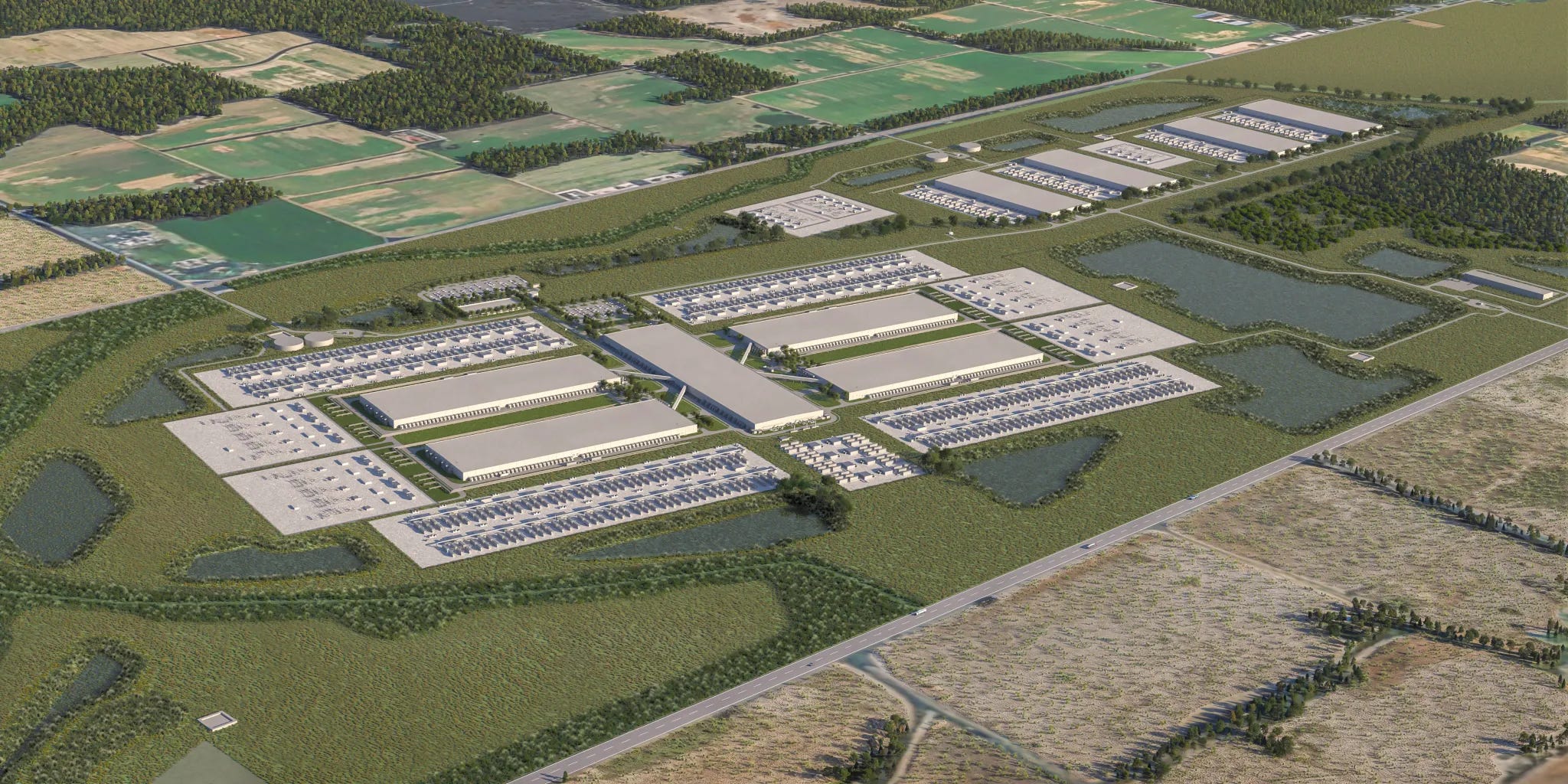
Meta put the project’s initial cost at $10 billion and began funding it with its own resources. At that scale, the company sought additional financing solutions, bringing Morgan Stanley’s financial engineers into the picture. The available details establish the project’s size, initial cost and search for outside funding; they don’t specify the final structure or the terms of any financing.
That distinction matters. A project’s headline cost doesn’t, by itself, show how much capital has been committed, when payments fall due or which parties carry the risk if construction costs, demand or operating economics change. The same caution applies to capacity: a plan to scale up to 5GW over several years describes an intended buildout, not a guarantee of timing or utilization.
For investors and companies tracking the AI buildout, the key evidence will be how these projects are financed and how clearly their cash flows and obligations can be assessed. Complex structures can make capital available for infrastructure that would strain a single company’s balance sheet. They can also create more places for risk to accumulate, especially when many parties rely on assumptions about future demand. The financing around Hyperion will show how that tension is handled in one of the largest data center projects now under way.