FINRA Adds Market Research and Fraud Awareness Tools for Investors
FINRA’s new Explorer combines market and company information with education, while redesigned quizzes help users assess fraud risks and spot scam tactics.

FINRA has introduced a research tool and redesigned educational quizzes that address two practical challenges for individual investors: making sense of financial information and recognizing possible fraud. The Market Data and Investments Explorer brings market, product and company information together with educational material. The updated Risk and Scam Meters use questions and scenarios to help users assess vulnerabilities and identify warning signs.

The tools are free to use. Their value will depend on how well investors use them alongside other research: the Explorer organizes information and explains investing terms, while the meters offer personalized learning exercises rather than a guarantee that someone can avoid fraud.
A combined place to explore market information
The Market Data and Investments Explorer covers market indexes and other information about current market conditions. It also provides detailed data on exchange traded and over the counter equities, exchange traded funds and mutual funds. For each exchange listed company, users can find a profile that includes a company description, stock price, valuation, profitability, recent news and related records.
That range gives investors several kinds of information in one place. Market indicators provide a broader view of conditions; product data supports comparisons across funds and securities; and company profiles offer details about individual businesses. Bringing these categories together may make it easier to move from a broad market question to research on a particular investment.
The Explorer builds on FINRA’s retired Market Data Center. The stated change is not simply a new collection of figures: educational resources now sit alongside market, product and company information. That pairing matters because data can be difficult to interpret without a clear understanding of the terms used to describe investments. The site is designed to help users connect those terms with the information they are reviewing.
Investors can use the resource to look up information and follow questions as they arise. A company profile, for example, brings together details such as valuation and profitability with recent news. Those fields can help frame further research, but a profile alone cannot explain every factor behind a company’s performance or establish what an investment may be worth to a particular person.
FINRA points users to its Market Data Frequently Asked Questions page for more information about the Explorer. The source describes the Explorer as a research resource; it does not specify how often each data field is updated. Users assessing time sensitive information will need to pay attention to the dates and context attached to the data they consult.
Quizzes focused on personal exposure and scam tactics
The Risk Meter asks users 10 questions about their circumstances and behavior. It then produces a personalized fraud vulnerability rating and practical tips intended to strengthen their defenses. The format directs attention to an individual’s own habits and situation, rather than treating fraud exposure as the same for everyone.
The Scam Meter takes a different route. It presents five real world scenarios and asks users to choose how they would respond. Feedback after each choice identifies common tactics and warning signs. At the end, users receive a red flag awareness score, along with an indication of areas where their awareness appears stronger and where they may need more vigilance.
These exercises are designed to make fraud education interactive. A rating or score can give users a starting point for reflection, while the scenarios let them practice recognizing suspicious approaches. Their usefulness depends on the limits of a quiz: answers reflect what a person selects in a set of examples, and the results cannot account for every situation or establish that someone is protected from future scams.
What changes for investors
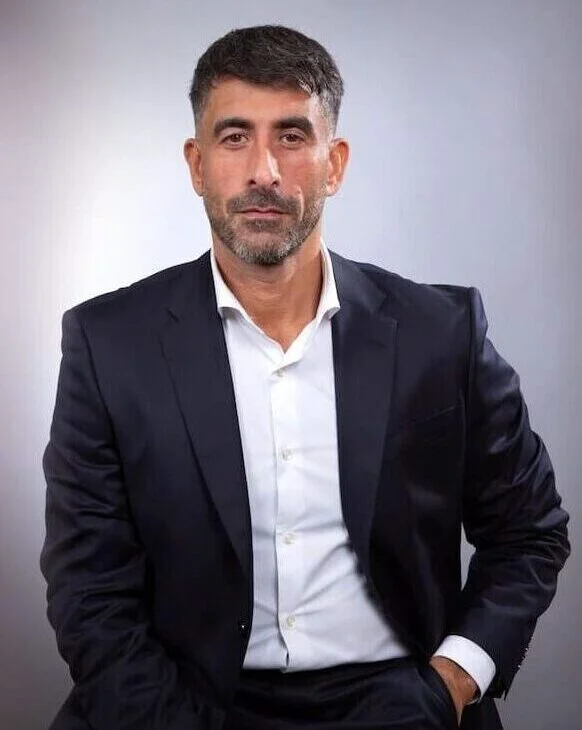
FINRA’s investor education leader Christine Kieffer said investors face a steady flow of financial information and may struggle to judge what to trust. She described the tools as a way to provide trusted information, practical insights and greater confidence in financial decisions. The design brings that goal into two settings: research on investments and practice identifying fraud risks.
For investors, the main shift is convenience and structure. The Explorer places several types of market information and related learning resources together; the meters turn risk education into short, personalized exercises. Neither replaces careful review of underlying information, and a quiz score should be read as an educational prompt rather than a measure of certainty.
The practical test will be whether users can find relevant information, understand its limits and carry lessons from the exercises into real interactions. The tools offer a starting point for that work, with company and product details on one side and fraud awareness on the other.