Slingshot Raises $27 Million to Streamline Small Embedded Insurance Policies
The startup’s $27 million seed round will fund software for checkout insurance programs and a planned move into underwriting policies itself.

Slingshot Insurance is building software to make small insurance policies easier to offer and administer, and its $27 million seed round gives the six-person startup room to pursue a second step: acquiring an insurer so it can back policies itself. For businesses selling coverage at checkout, the challenge is economic as much as technical. A low-priced policy can bring added value to a customer, but the paperwork, insurer coordination and potential claims can consume much of the revenue.
The Minneapolis-based company emerged from stealth with funding co-led by Rally Ventures and Skyward Group. Insurance industry veterans also participated, including Jim Hays, who will join the board. Rally is a co-founder of Slingshot; it has helped establish roughly eight portfolio companies, some operating and others still in stealth.
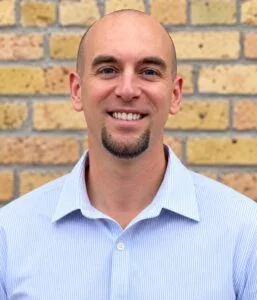
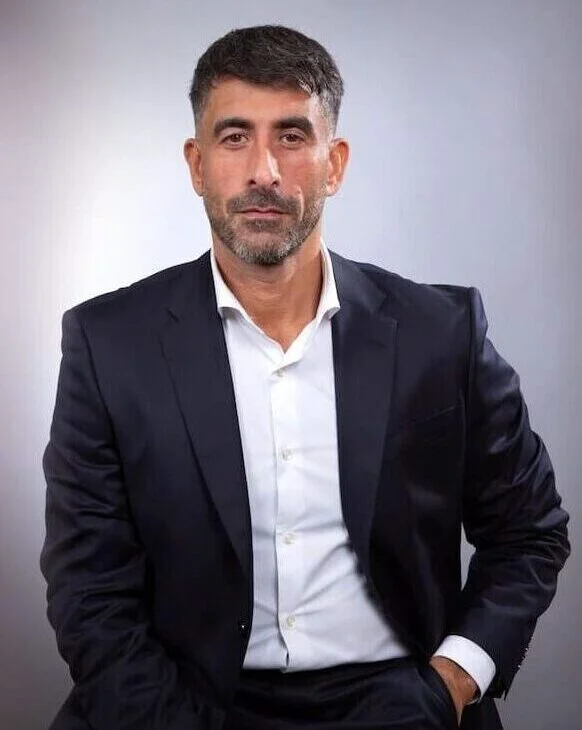
Led by first-time founder and CEO Ethan Genteman, Slingshot serves businesses that want to add coverage to an existing purchase, such as a flight booking. Its software connects those businesses with insurers and uses AI to process and exchange data between them. The aim is to reduce the manual administrative work that can make low-premium programs difficult to run profitably.
Slingshot’s first customer and design partner is Vertical Insure, which serves more than 750,000 customers at an average premium of $25, according to Slingshot. Genteman said the startup’s first program is set to launch this month. Slingshot formally began operating July 1 and currently earns a 5% technology fee for administering programs on its platform. It is also pursuing an acquisition that would allow it to provide the financial backing for policies.
“We’re not a carrier yet, but we are rapidly closing on our carrier,” Genteman said.
The economics of a low premium
One potential product would offer parents coverage when they enroll a child in youth sports. A parent paying $2,000 for a volleyball league could be offered a $25 policy covering cancellation or an injury during the season. But each policy still requires documentation, insurer coordination and a process for handling claims. When the premium is small, those tasks can quickly absorb the income the policy generates.
Genteman illustrated the pressure with a hypothetical program that collects $500,000 in premiums at a 10% margin: that leaves $50,000 in margin. “That’s not a viable program for the way incumbent carriers have set themselves up operationally,” he said. Slingshot wants to replace the spreadsheets, email exchanges and disconnected systems behind these programs with software that links distributors and insurers. The company says its AI handles data-heavy tasks while retaining a record of decisions for the businesses involved to review.
Genteman sees embedded coverage as a potential source of incremental revenue for vertical software companies, whose products serve particular industries. These firms already facilitate purchases and have information about their customers and transactions. Insurance could fit into that existing experience, while giving buyers coverage connected to what they are purchasing. The opportunity depends, however, on making programs practical to operate at modest premium levels.
A customer’s bottleneck shaped the product
Vertical Insure’s experience helped define the problem Slingshot would address. Rally had helped start that business, which distributes insurance through software platforms. Genteman said Vertical Insure saw opportunities to introduce more products but struggled to find insurers with processes and technology that could support them.
“We can design the products our customers need almost overnight, but the industry is highly regulated, and we need delegated authority just to write and distribute what we’ve built,” said Brock Noland, Vertical Insure’s co-founder and CEO. “The antiquated approval process on the carrier-side slows everything down.”
Finding an insurer willing to support a product didn’t necessarily end the delay: integrating the two companies’ systems could create further friction, Genteman said. Vertical Insure helped shape Slingshot’s product as its design partner, and Noland is also a Slingshot co-founder. The startup offers hands-on support to help software companies take a coverage idea through to an operating product.
Potential applications include a babysitting platform offering help with the cost of replacement childcare if a sitter cancels, a pet boarding service offering coverage for unexpected veterinary bills after an injury, or an equipment rental platform adding protection against accidental damage or theft. These are examples of products Slingshot could help develop, rather than existing offerings identified by the company.
Rally’s experience and Genteman’s background
Rally managing director Justin Kaufenberg has seen software-based insurance generate revenue firsthand. Before joining Rally, he ran SportsEngine, where insurance sold through its software became a key revenue source. He said that experience shaped his view of the opportunity for software companies to offer financial products within their platforms.
Kaufenberg said Rally’s portfolio companies increasingly want insurance partners able to help them introduce coverage quickly. Rally co-founded Slingshot to bring insurance backing, underwriting, reporting, claims handling and distribution into one business. “To get the carrier, the reinsurance, the underwriting platform, the data flow engine, the reporting capabilities, the claims handling, the embedded distribution engine, and every other part of the offering from a single vendor is unheard of,” he said.
Genteman previously served as chief actuarial officer and data leader at publicly traded Palomar Holdings. He joined in 2019 and helped build its actuarial and data team as the company expanded beyond earthquake insurance into other coverage lines. That work prompted him to explore whether newer technology could lower the cost of running insurance programs. About a year ago, he began coding prototypes in his basement, spoke with Rally toward the end of 2025 and left Palomar on July 1 to lead Slingshot.
The company’s next milestones are the launch of its first program and progress on the planned insurer acquisition. Together, those steps will show whether its software can reduce the operating burden of small policies—and whether Slingshot can combine that technology with the capacity to back them.
Related Crunchbase query
Illustration: Dom Guzman
 ===