Sainsbury’s Chief Warns Hiring Costs Could Undercut Youth Jobs Push
Simon Roberts wants support for youth work opportunities and no further hiring cost increases, as Sainsbury’s sales growth slows and food inflation remains in focus.
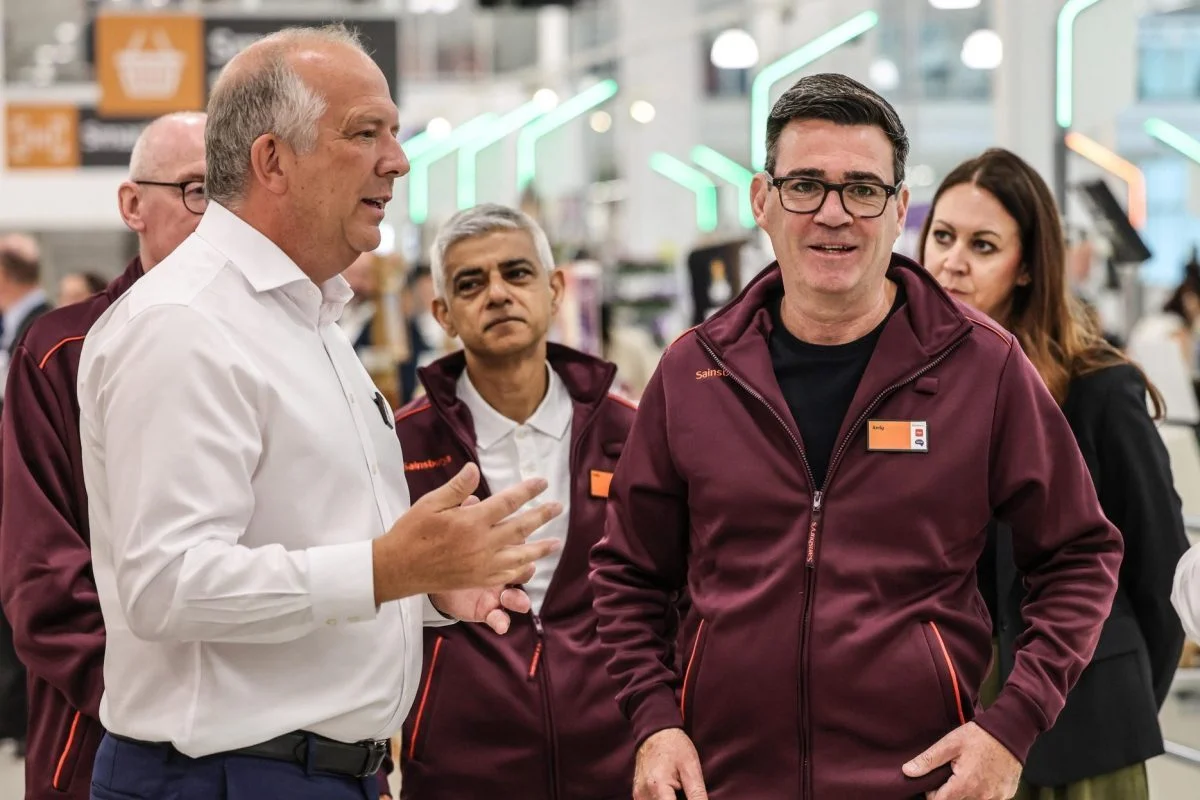
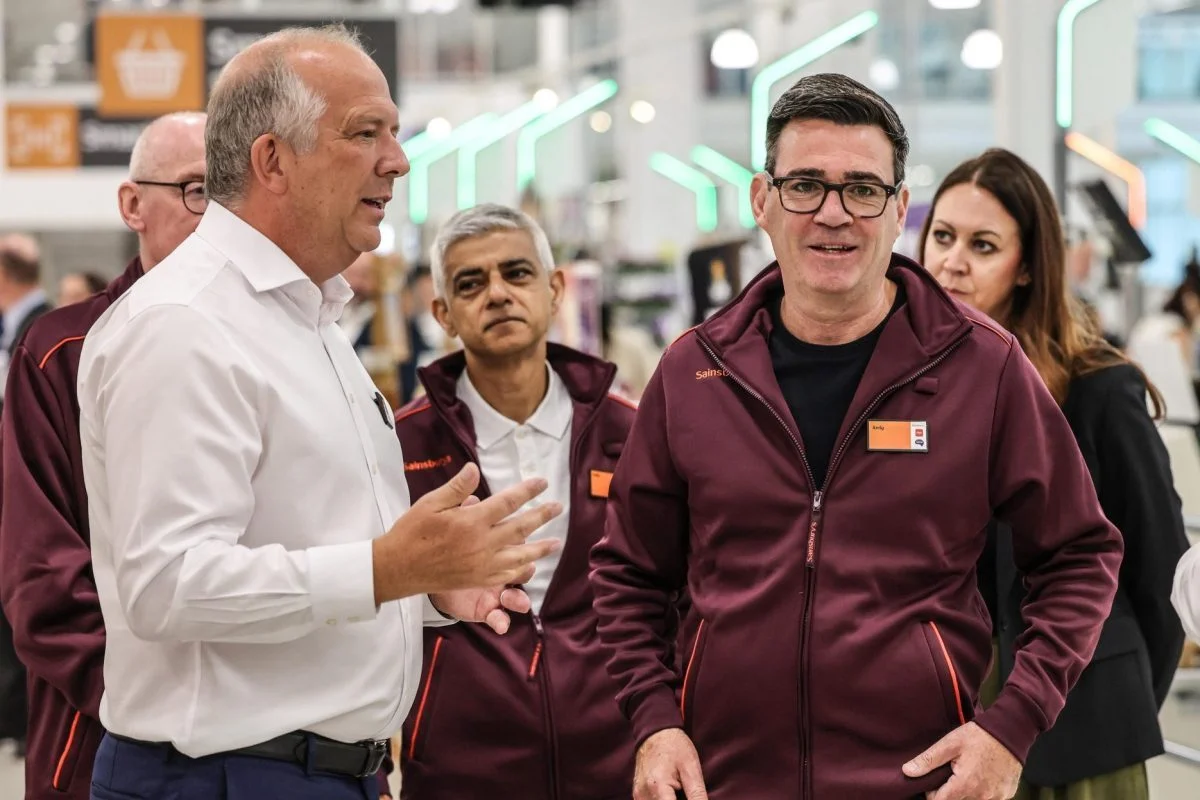
Sainsbury’s is putting a number on its contribution to youth employment: 10,000 work experience opportunities. Chief executive Simon Roberts says that effort will be harder to scale if employers face another rise in the cost of hiring, putting the coming Budget at the center of a debate about jobs, retail expenses and food prices.
The company has promised to create 10,000 opportunities for young people not in education, employment or training. Retail and hospitality companies have also pledged thousands of work opportunities in recent weeks, as concern grows about the number of young people outside those settings. The scale of Sainsbury’s commitment gives the company a visible role in that effort, while Roberts is asking public decision-makers to help businesses take part.
He urged John Healey to “focus on doing the right thing for young people” at next week’s Budget. Roberts’ central request is that employers should not face further cost increases that make it harder to create jobs or contribute to higher food prices. He also called for support that would enable more businesses to offer young people a route into work.
Hiring costs and the retail business model
Roberts singled out the increase in employer national insurance contributions introduced under Healey’s predecessor, Rachel Reeves. He said it “brought a lot of impact to the retail sector”. The sector’s concern is direct: retailers rely on large workforces, so changes to the cost of employing people can affect decisions about recruitment and the expense of running stores.
Roberts said: “It’s so important that we don’t see any repeat of what we’ve seen in previous budgets, particularly the impact on the tax on employing people through national insurance, or any other costs in the industry that are going to cause food inflation.” He described youth employment as both an opportunity and a challenge that businesses and public bodies need to address together.
His argument links two pressures that can pull in different directions. Employers may be asked to create more entry-level opportunities, while higher employment expenses can make each additional role more costly. For a retailer, the decision involves staffing needs as well as the ability to absorb costs across its operations. If those costs rise, a company may have fewer options for expanding work opportunities without finding savings elsewhere or changing prices.
Retail leaders have asked the Chancellor to reverse some of the increases to the tax. Helen Dickinson, chief executive of the British Retail Consortium, said such a move could “turn the tide on unemployment”. That is an industry position, rather than evidence that changing the tax alone would produce a particular number of jobs. The effect would depend on how employers respond and on other pressures affecting hiring.
Business rates and food prices add to the debate
Roberts also called for restraint on further costs in what he described as “an industry that’s already heavily taxed”. His request is to avoid measures that add to employment expenses and to work toward lowering the cost of hiring. Last week, retail leaders from Sainsbury’s and Tesco met with Healey and called for changes to the business rates system alongside action on youth unemployment.
The pressure retailers describe reaches beyond recruitment. Costs that businesses cannot absorb may feed into prices, while consumers already facing a squeeze on household budgets can be sensitive to changes in grocery bills. That leaves companies balancing staffing, operating expenses and pricing. Roberts said food inflation had not risen as quickly as some forecasts anticipated, and argued against adding costs that could intensify price pressure.
Sainsbury’s shares fell nearly four per cent on Thursday after the grocer reported slower sales growth and warned of “tough” cost-of-living pressures for shoppers. The share move came alongside those trading updates, while Roberts’ comments focused on hiring costs and the outlook for prices. Together, the developments show the competing demands facing the business: maintaining sales as customers feel financial strain, while managing costs and supporting new work opportunities.
Roberts said price increases in the run-up to Christmas would be softer than feared. Industry figures had anticipated food inflation reaching as high as 10 per cent this year; prices are now expected to peak at 6.4 per cent next summer. Those figures are expectations, not a guarantee of how prices will evolve. Roberts said inflation in the first part of the year had not moved as much as some forecasts suggested, which he called good news for customers.
The next test is whether the Budget responds to retailers’ concerns about hiring and business costs while addressing weak youth employment. Sainsbury’s has set out a large work experience commitment, but the wider result will depend on whether other employers can make similar offers and whether the cost of creating roles remains manageable. For shoppers, employees and shareholders, the balance between recruitment, operating expenses and food prices remains the key issue to watch.