Poundland Sale Stalls as 10-Day Creditor Moratorium Begins
Poundland’s owners rejected a £30m loan request tied to a whole-business bid, while competing offers may preserve parts of its 640-store network.
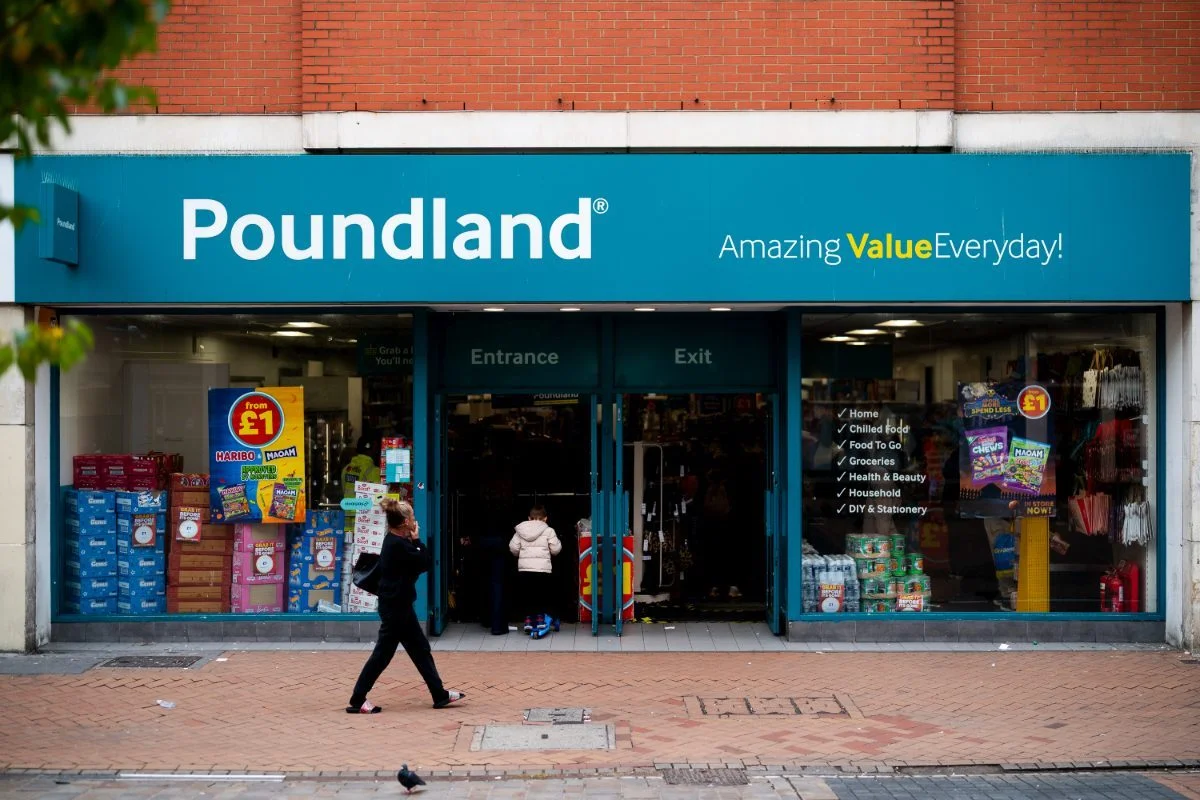
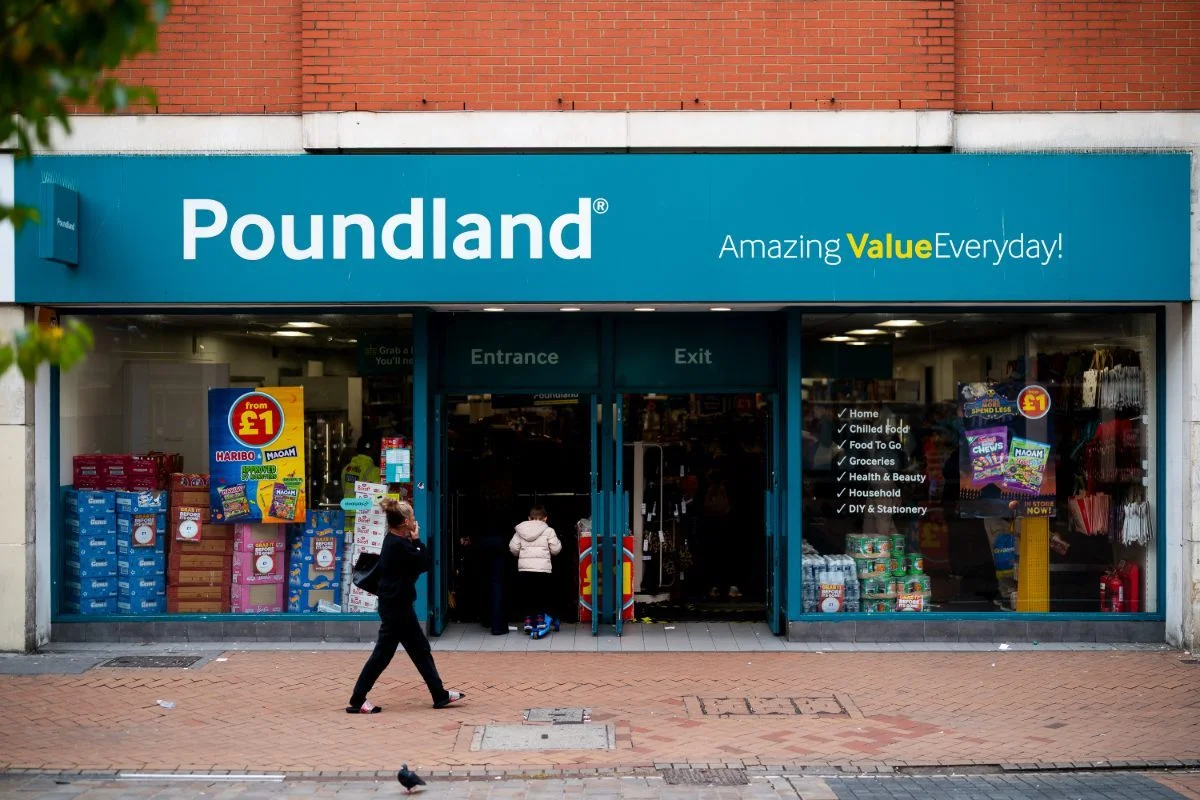
Poundland’s immediate challenge is to find a buyer for all or part of the business before its remaining room to negotiate runs out. Its directors have filed a notice of intent to appoint administrators, starting a 10-day moratorium on creditors calling in debts. The filing creates a brief window for a sale, but the prospect of a deal for the entire retailer has weakened.
The chain has about 640 stores in the UK and Ireland and nearly 12,000 employees. If the business cannot continue in its current form, those jobs and locations could be affected. The outcome also matters to landlords, suppliers and other creditors, whose prospects may depend on whether stores keep trading and whether a buyer takes on parts of the operation.
A whole-business offer founders over £30m
Gordon Brothers, the American firm that bought Poundland for a nominal £1 last year, had been considering an offer from Irish property company Martin Property Group. Poundland’s management backed the proposal, which was described as a solvent takeover offer. The parties did not agree on a £30m payment sought by Gordon Brothers to cover a shareholder loan inherited from previous owner Pepco.
Martin Property Group declined to cover that amount, sources said. The dispute has left the retailer without an agreed buyer for the whole business, even as other companies have made offers for substantial parts of its store estate. Three directors brought in to speed up the sale process resigned earlier this week after Gordon Brothers refused to accept the bid.
The value of the £30m request is central to the deal impasse: it is the stated gap between the owner’s terms and the prospective buyer’s position. The source does not give the loan’s other terms or explain how much of the sale proceeds would go to creditors, so the available information does not establish whether either side’s proposed outcome would leave more value for employees, suppliers or lenders.
Parts of the chain may attract buyers
Several established retail operators have made formal offers covering significant parts of the business, according to managing director Barry Williams. He said the offers “offer the best available prospects for shareholders, creditors and to preserve jobs.” That assessment points to a possible route for keeping some stores open, though it does not settle the future of the brand or the wider workforce.
Lidl, Iceland, The Range, B&M and Poundstretcher have expressed interest in selected stores. Potential buyers are looking at locations and some of Poundland’s stock. These bids could keep individual sites operating under new owners, but a transfer of stores would not necessarily preserve the retailer as a single company.
Staff at stores that change hands may be taken on under Transfer of Undertakings (TUPE) rules, which are intended to protect employees when a business changes ownership. That offers a possible safeguard for people working at acquired locations. It does not answer what would happen to employees at stores that attract no buyer, or to staff in central and distribution operations.
The distribution centre in Makerfield is one such operation whose future could depend on the shape of any sale. Martin Property Group had promised to protect the site. If Poundland is divided among several buyers, that commitment may no longer determine its fate.
Jobs and store continuity remain uncertain
Williams said the company had been unable to identify an acceptable offer for the business as a whole. He also pointed to interest from retail operators and acknowledged that the process was creating uncertainty amid a challenging UK economic environment. For workers, the key distinction is now between a purchase that keeps the chain together and separate transactions that may preserve only selected stores and roles.
Usdaw, the retail union, has warned about the employment risk. Its national officer, Bally Auluk, said the owners’ refusal to accept the solvent offer led the union to conclude that the company could enter administration and result in 11,000 redundancies before Christmas. That figure differs from the nearly 12,000 jobs cited as being at risk across the business; neither figure confirms how many roles would ultimately be lost.
The next signs to watch are whether a whole-business offer returns, which stores attract firm bids, and whether the distribution centre is included in any transaction. The 10-day moratorium gives Poundland time to pursue those options, but the terms of the competing bids will determine how much of the company, its workforce and its store network can continue.