Whales Support Ocean Carbon and Food Webs as Climate Risks Grow
Whales recycle nutrients and store carbon, but warming seas and human pressures threaten the habitats and food supplies they depend on.
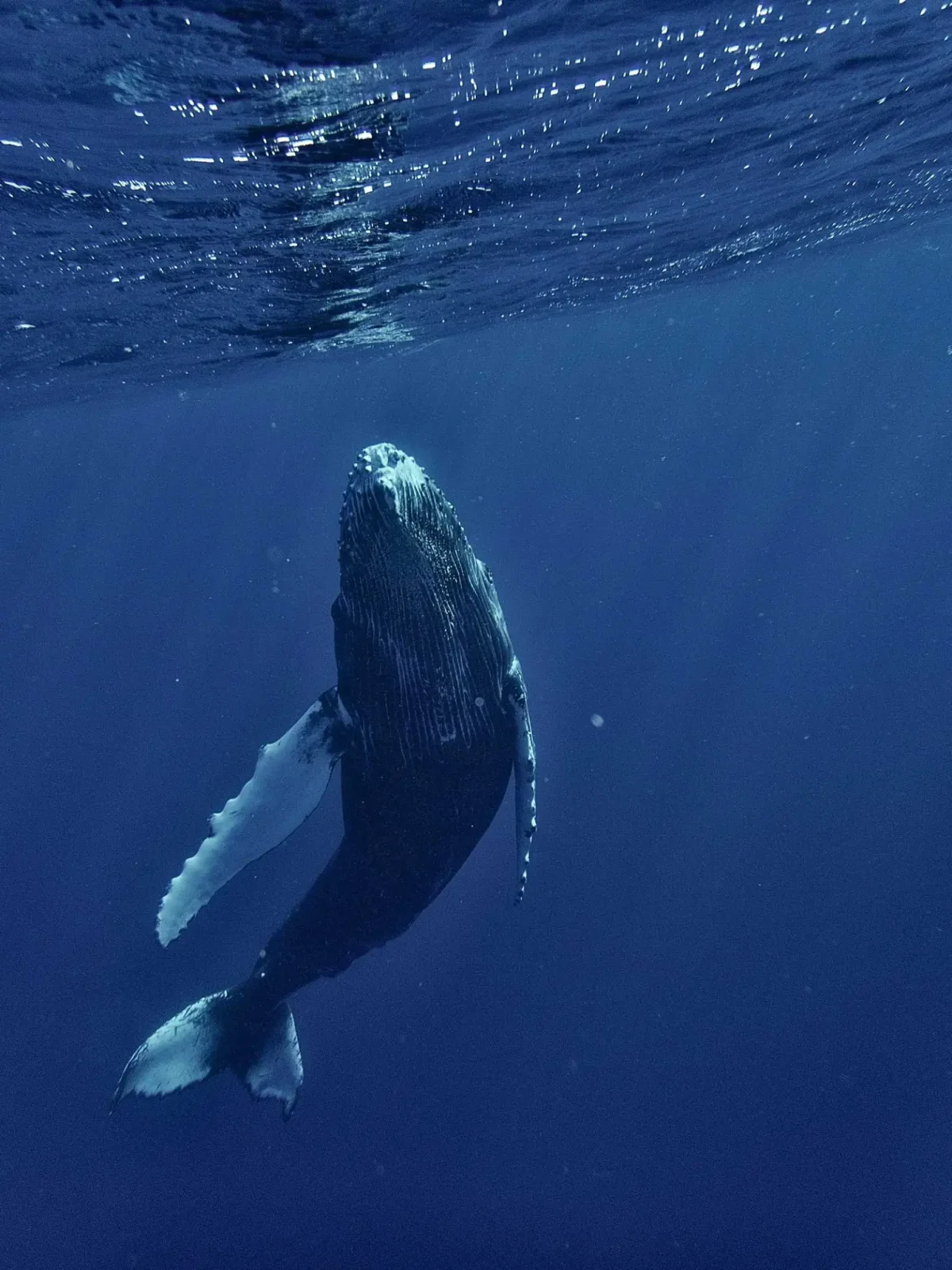
Whales help sustain ocean ecosystems through nutrient recycling, long migrations and the carbon held in their bodies. Those roles make them important to ocean health, but they don’t make whales immune to climate change. Warming waters are shifting prey and habitats, while fishing gear, ship traffic and underwater noise add pressure to populations already coping with changing conditions.
Chris Johnson, a marine scientist and conservation strategist who leads the World Wildlife Fund’s Protecting Whales & Dolphins Initiative in Melbourne, described these connections in an interview with Yale Climate Connections. His account points to a central conservation challenge: whales travel across vast areas, so protecting them requires attention to the ocean routes and feeding grounds they share with human activity.
How whales affect ocean ecosystems
One important mechanism is often called the “whale pump.” Whales feed at depth or in productive feeding areas, then release urine and nutrient-rich fecal plumes closer to the surface. These materials contain nitrogen, phosphorus, iron and other elements that can support phytoplankton growth.
Phytoplankton form the base of marine food webs. Through photosynthesis, they absorb carbon dioxide and produce much of the oxygen in the atmosphere. By moving nutrients into surface waters, whales can help support this productivity. The effect varies with ocean conditions and species, and the science continues to develop, but the underlying process links whale behavior to wider ecosystem functions.
Migration extends that influence across regions. Many whale species feed at high latitudes and breed at lower latitudes, carrying nutrients between ecosystems that may be thousands of kilometers apart. Scientists sometimes describe this movement as the “great whale conveyor belt.” The phrase captures a broad ecological role: whales connect habitats that would otherwise be treated as separate parts of the ocean.
Whales also store carbon in their bodies over their lifetimes. When a carcass sinks to the deep seafloor, a “whale fall” can keep some of that carbon away from the atmosphere for centuries. The carcass also becomes food and habitat for deep-sea animals and microbes. Its contribution to global carbon storage, however, is modest and uncertain. The strongest case for whales rests on their combined ecological roles, rather than on treating them as a major carbon-storage mechanism.
Species face different pressures
Among the great whales, blue and fin whales stand out for their size. Blue whales are the largest animals ever to have lived, and fin whales are the second-largest whale. Their feeding and nutrient recycling may influence productivity across wide areas, although the precise scale of that influence remains under study. Blue whales and fin whales therefore illustrate how large-bodied animals can shape ecosystems well beyond their immediate surroundings.
Sperm whales offer a different example. They are the largest toothed whales and dive deeply to forage for squid offshore. Their movements connect the deep ocean and the surface. Because sound is central to their lives, underwater noise is a particular concern; it can interfere with the conditions in which they communicate and navigate. Their social structures have also contributed to a wider understanding of complex behavior in marine animals. Sperm whales show why conservation needs to account for behavior as well as population numbers.
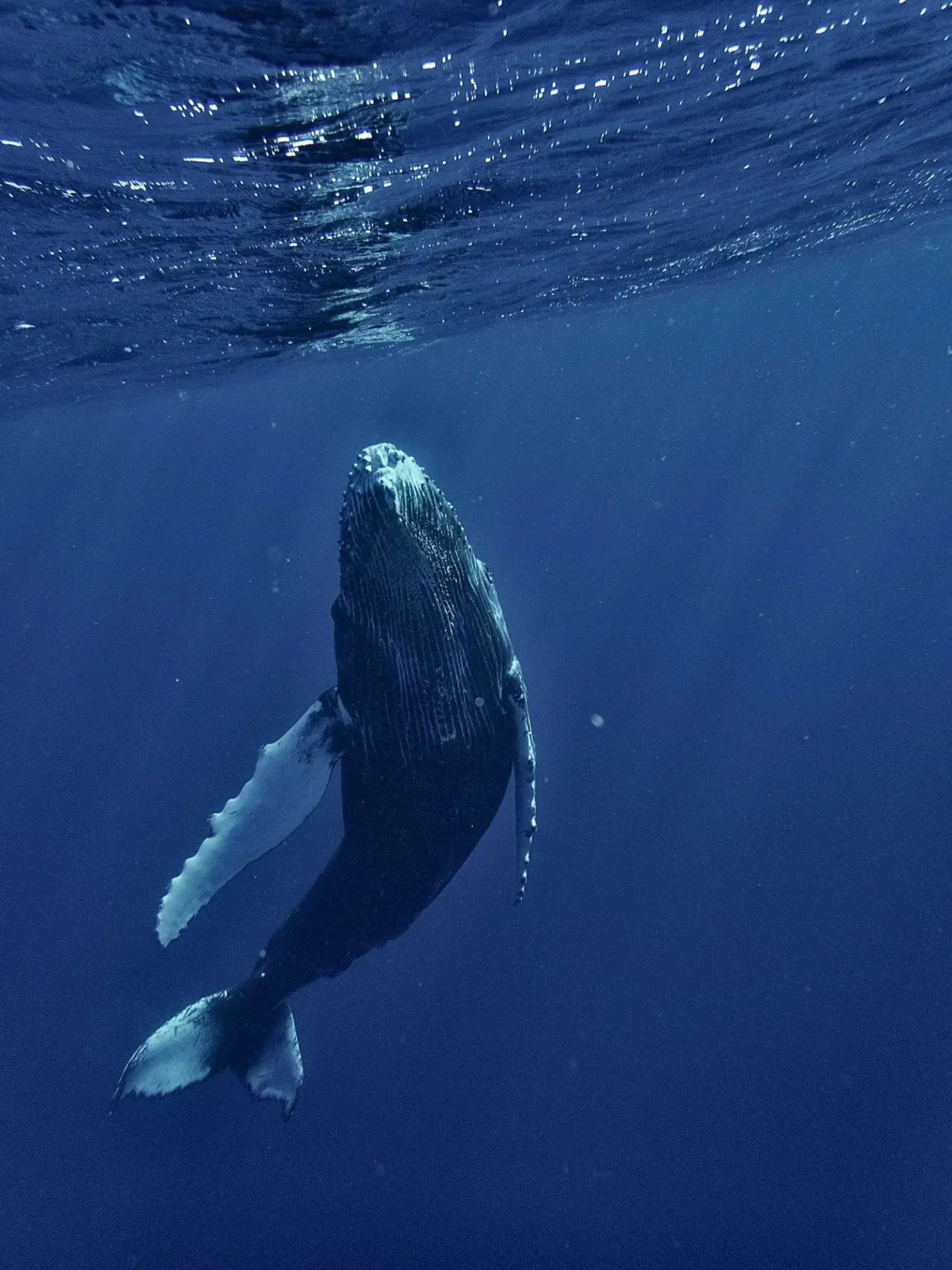
Humpback populations demonstrate that recovery can happen. Some have rebounded strongly since commercial whaling was banned. Yet climate modeling suggests that climate-driven changes to Antarctic krill could put renewed pressure on Southern Hemisphere humpbacks and potentially reverse some of that recovery by 2050. The outlook depends in part on how prey availability changes across the whales’ feeding range. Humpback whales are a reminder that past recovery doesn’t remove future risk.
The critically endangered North Atlantic right whale shows how climate pressures can intensify existing hazards. As warming changes where prey are found in the Gulf of Maine, the whales have moved into areas of the Gulf of St. Lawrence where ship strikes and entanglement in fishing gear pose greater risks. Climate change can therefore affect survival indirectly, by changing where whales feed and bringing them into closer contact with dangerous human activities. The North Atlantic right whale’s experience illustrates that connection.
Changing food supplies meet existing threats
For many species, changes in prey are among the most immediate effects of a warming ocean. Shifting currents, declining sea ice and more intense marine heat waves can move prey or make it less predictable. Whales may need to travel farther, search longer or alter migration timing. That added effort matters for baleen whales, which must build substantial energy reserves during relatively short feeding seasons. A female’s ability to reproduce is closely linked to whether she can feed successfully.
Entanglement remains a serious threat to whales, dolphins and porpoises. Fisheries bycatch is estimated to kill 300,000 cetaceans each year, but that estimate is more than 20 years old. The true scale is difficult to establish because monitoring and reporting remain limited across many fisheries. Ship strikes, underwater noise, chemical and plastic pollution, poorly planned offshore development and, in some places, commercial whaling also continue to affect populations.
Johnson’s concern is the combined effect. A whale may cope with one source of stress, but reduced prey, more noise, entanglement risks and ship traffic can build on one another, gradually weakening its health and resilience. That cumulative pressure matters especially as climate change alters where whales can find food and how far they must travel.
Protecting routes and feeding grounds
Whales can travel thousands of kilometers across feeding grounds, breeding areas and the routes between them. Johnson calls these connected habitats and migration pathways “blue corridors.” They may cross national waters and the high seas, where shipping, fishing, pollution and climate change overlap. Mapping those corridors helps make the whales’ movements visible in decisions about ocean use.
Johnson’s team works to map whale habitats and migration journeys, and created BlueCorridors.org to make that evidence easier to access. The scale of the task reflects the scale of whale movements: protection focused on one feeding area may leave animals exposed elsewhere along their range.
Several practical measures can reduce specific risks. Slower ship speeds in high-risk areas can lower the likelihood and severity of vessel strikes. Changes to fishing gear and practices, including “on demand” or ropeless systems, can help reduce entanglement. Well-designed protected and managed areas can safeguard important habitats, while quieter shipping and other noise-reduction measures can help whales communicate, navigate and feed.
Climate action also affects whale conservation because prey and habitat depend on ocean conditions. Johnson argues that a transition to a low-carbon future is needed to protect those foundations. The recovery of some humpback populations after the global moratorium on commercial whaling shows what focused action can achieve, while the pressures on other species make clear that recovery is not guaranteed.
Individuals can support ocean and climate measures, choose sustainable seafood, reduce plastic use and ask how fishing practices affect marine wildlife. They can also support communities and organizations developing whale-safe solutions, reduce pollution and follow responsible whale-watching guidance. Such choices can contribute to broader public and market support for changes in how human activity affects the ocean.
Whales have lived far longer than humans, and their survival doesn’t depend on any single intervention. Their prospects depend on whether people manage their effects on the ocean across the full range of whale habitats. Thriving whale populations are an indicator of ocean health—and protecting the corridors they travel can help preserve the connected ecosystems on which marine life, and people, depend.
Interview lightly edited and condensed. Chris Johnson is a marine scientist and conservation strategist. His profile and the World Wildlife Fund overview of wildlife and climate provide further background.